The One Ring Second Edition: An Authentic Journey into Middle-earth
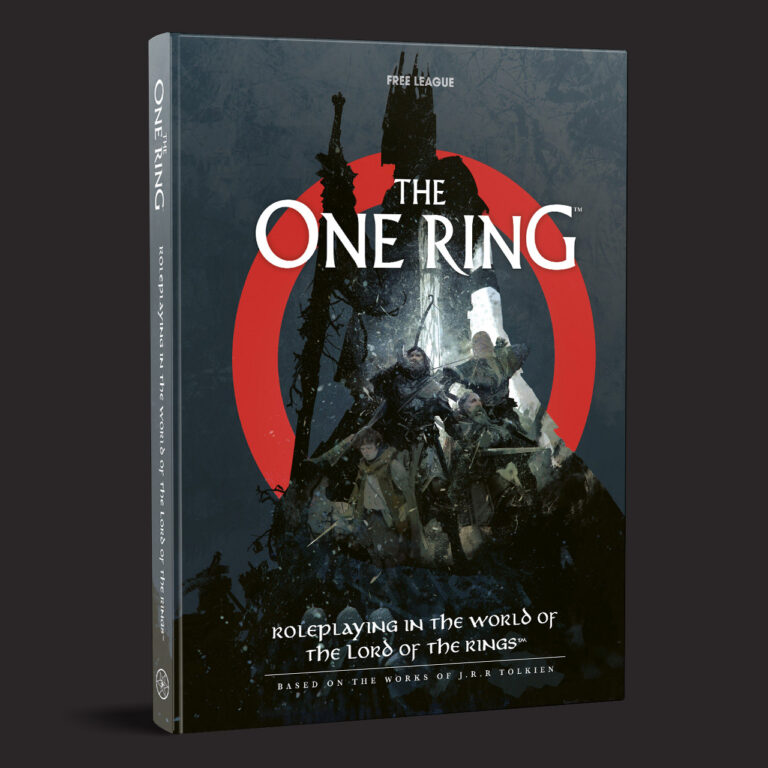
The One Ring Roleplaying Game Second Edition (TOR 2E), published by Free League, is a triumph of thematic design and production quality. It is a game designed not to be a generic fantasy system but a focused instrument for telling specific, poignant stories in the world of J.R.R. Tolkien—tales of heroic journeys, the slow erosion of hope, and the growing shadow fifty years before the events of The Lord of the Rings. This edition streamlines the mechanics of its predecessor while elevating the atmosphere through truly gorgeous production.
Art and Production: A Visual Masterpiece
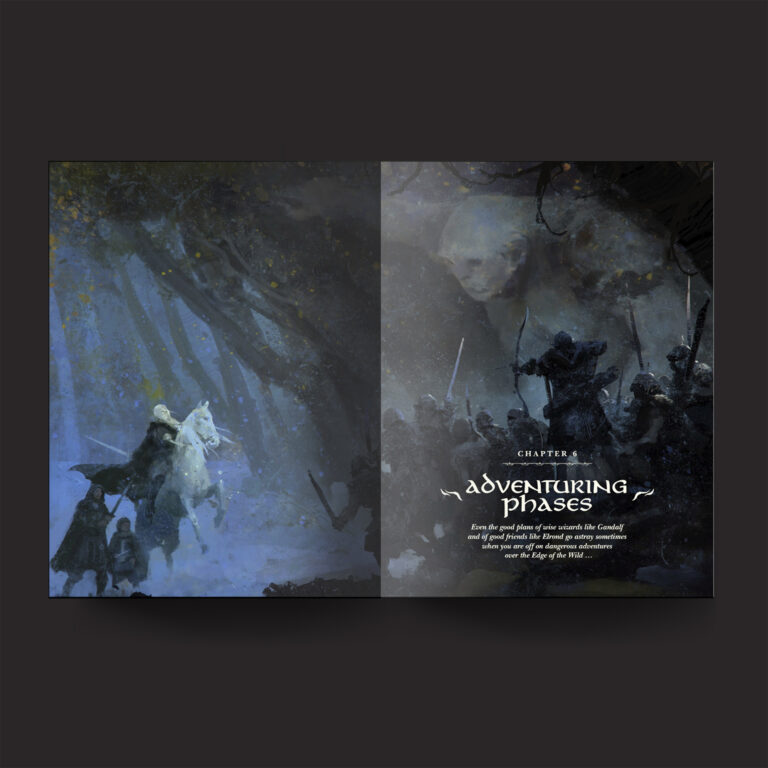
The core rulebook is, simply put, an artifact worthy of the Lonely Mountain’s treasuries. Free League maintains its reputation for outstanding production values, presenting the book as a high-quality, full-color hardcover with a beautiful red silk bookmark.
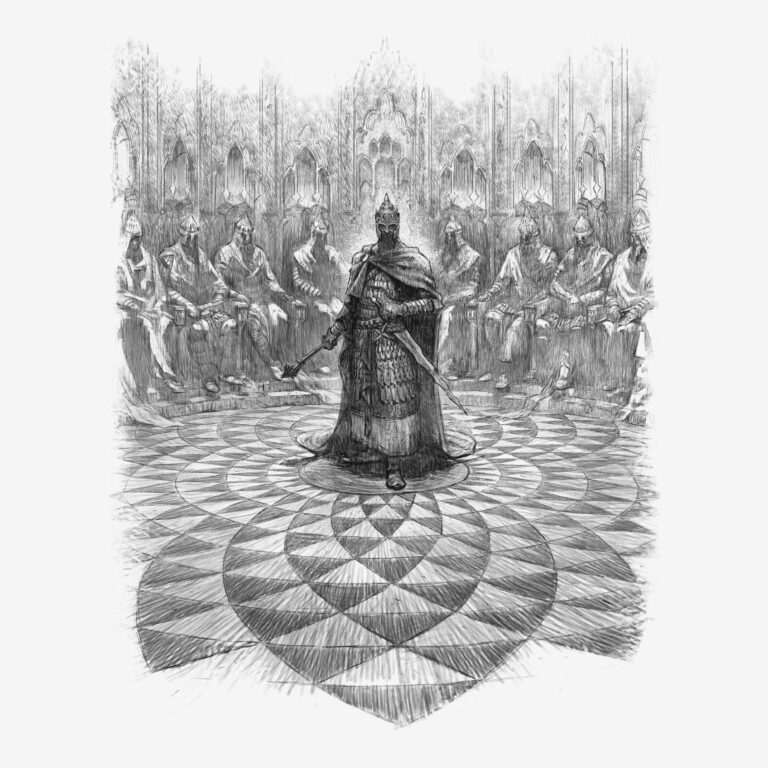
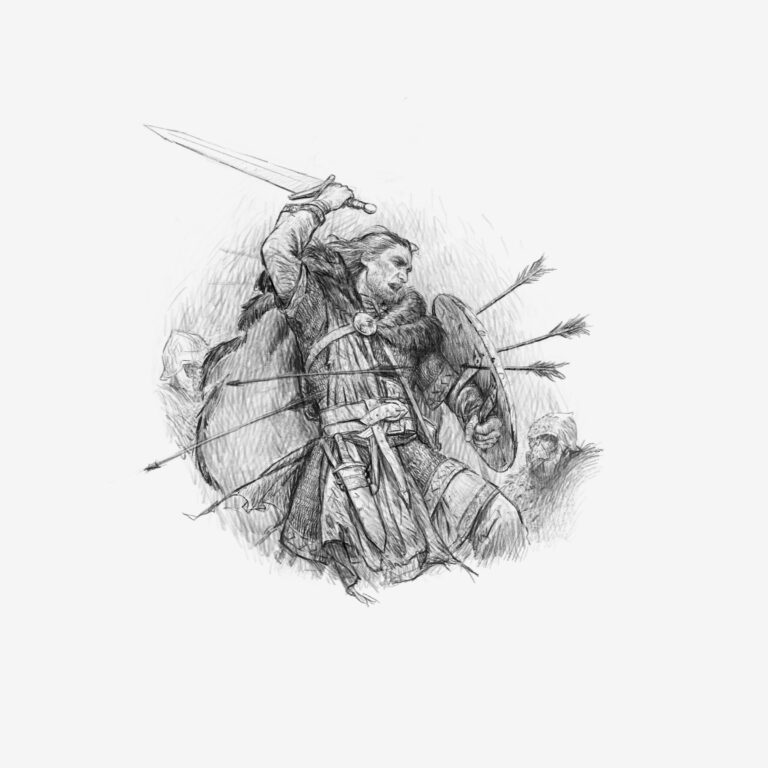
The artwork is a cornerstone of the game’s appeal, instantly immersing the reader in a visually authentic Middle-earth. The pages are richly illuminated with evocative, full-color paintings—often used for chapter spreads—that perfectly capture the setting’s pastoral beauty and creeping menace. These grand pieces are expertly balanced with detailed, thematic line drawings and sepia sketches scattered throughout the text. The visual style is highly thematic, resembling classical illustrations and real pencil sketches rather than modern, stylized comic book art. Every illustration, from a weary Ranger traversing the wilds to a bustling scene in the Prancing Pony, oozes atmosphere and reinforces the specific low-magic, high-fantasy tone of the source material. It is an RPG book that is a joy to simply hold and read.
Character Creation: Culture and Calling
Character creation in TOR 2E is centered around providing a hero that feels naturally integrated into the world of Middle-earth, moving away from standard class-based systems. A player’s hero is primarily defined by two choices:
- Heroic Culture: This choice acts as the character’s “race” or lineage, providing their inherent strengths, weaknesses, and a Cultural Blessing. The core book includes six cultures: Men of Bree, Bardings (Men of Dale), Elves of Lindon, Dwarves of Durin’s Folk, Hobbits of the Shire, and Rangers of the North. Each culture has a specific spread of starting attributes that reflect their people’s nature (e.g., Dwarves have high Strength, Hobbits have high Heart).
- Calling: This functions like a character’s role or archetype, guiding their skill set and special abilities. The six Callings are Captain, Champion, Messenger, Scholar, Treasure Hunter, and Warden.
All characters possess three core Attributes: Strength (physicality, battle-readiness), Heart (courage, social skill, spirit), and Wits (mental aptitude, lore, perception). These attributes are critical because they determine the character’s individual Target Number (TN) for rolls—a unique feature that ensures even highly skilled characters face personal challenges. The combination of Culture and Calling, alongside derived stats like Endurance (physical health), Hope (spiritual reserve), and Parry (defense), ensures that every hero is inherently tailored for the themes of epic journey and gentle, yet persistent, corruption.
Dice Mechanics: Hope, the Shadow, and Destiny
The central conflict resolution system in The One Ring is a unique dice pool mechanic that directly supports the themes of dwindling light and mounting peril. Every roll requires the use of two types of dice:
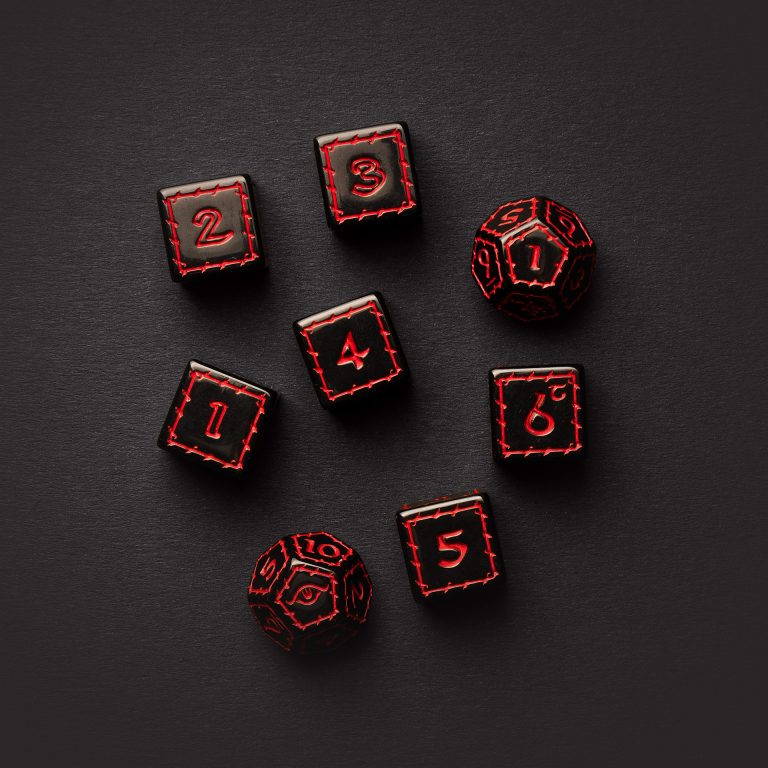
- The Feat Die (d12): You always roll exactly one Feat Die. On the custom dice, the faces are numbered 1 through 10, plus two symbols:
- The Gandalf Rune (often 12): An automatic, glorious success, regardless of the target number or other dice results. This represents a moment of true heroic destiny or fortune.
- The Eye of Sauron (often 11): This result counts as a $0$ on the roll. While not an automatic failure (you can still succeed if your Success Dice total is high enough), it represents a severe hindrance or the influence of the Shadow. If the player is Miserable (a condition linked to severe spiritual corruption), the Eye of Sauron causes an immediate, catastrophic failure.
- Success Dice (d6s): You roll a number of six-sided dice equal to your relevant Skill Rank or Combat Proficiency.
- Success Check: The sum of the Feat Die and all Success Dice must meet or exceed the Target Number (TN), which is uniquely determined by the character’s Attribute (Strength, Heart, or Wits) rather than a fixed difficulty.
- Special Success: A result of $6$ on a Success Die is marked with an Elvish rune (Tengwar) on the custom dice. If the player succeeds on the test, these special successes can be spent to gain additional benefits—such as performing the action quickly, stealthily, or achieving an exceptional result.
The system is further nuanced by thematic mechanics:
- Hope and Shadow: Players can spend Hope (a limited resource tied to the Heart attribute) to add bonus Success Dice to a roll, representing a burst of spiritual fortitude. Conversely, accumulating Shadow from dark deeds or traumatic experiences can make a character Weary (disallowing $1$s, $2$s, or $3$s on Success Dice) or Miserable, directly penalizing dice rolls and making them more susceptible to the Eye of Sauron. This constant mechanical interplay beautifully reinforces the Tolkienian theme of fighting the good fight even as the darkness encroaches and takes its toll.
The dice system effectively creates a swingy, cinematic feel. While custom dice are highly recommended for the visual flair and ease of reading the runes, the core mechanics are simple, evocative, and perfectly tailored to the unique narrative challenges of Middle-earth.
Overall Quality and Verdict
Overall, The One Ring, Second Edition is far more than just a set of rules; it is a meticulously crafted portal to Middle-earth. By pairing its stunning, book-like artwork with dice mechanics that functionally embody the struggle against the Shadow and the fleeting nature of Hope, the game succeeds in capturing the unique tone of Tolkien’s work—one where small acts of courage and great journeys against overwhelming odds define heroism. For players seeking an authentic, atmospheric, and emotionally resonant roleplaying experience focused on exploration, weariness, and the long twilight of the Third Age, TOR 2E stands as the definitive, and most beautiful, rendition of Middle-earth in tabletop gaming today.
Note – A big thanks to Free League Publishing for providing the review copy for this review, this as always had no effect on the outcome of the review.